- Clothes
- Bags
- Accessories
-
Inspiration
- Shoes
From Fast Fashion Shopaholic to Ethical Consumer: 5 Mistakes

Trying to move away from fast fashion overconsumption, so you can be happier with fewer but better clothes while supporting more ethical brands?
First of all: good for you!
Secondly: if you’re finding it challenging or confusing, please know it’s not just you.
So, I thought I’d share the “mistakes” I made when I started going from ‘fast fashion shopaholic’ to ‘more ethical consumer’, so you can bypass them and try a simpler, healthier, or smarter alternative.
Who am I, to talk about going from ‘fast fashion shopaholic’ to ‘ethical consumer’?
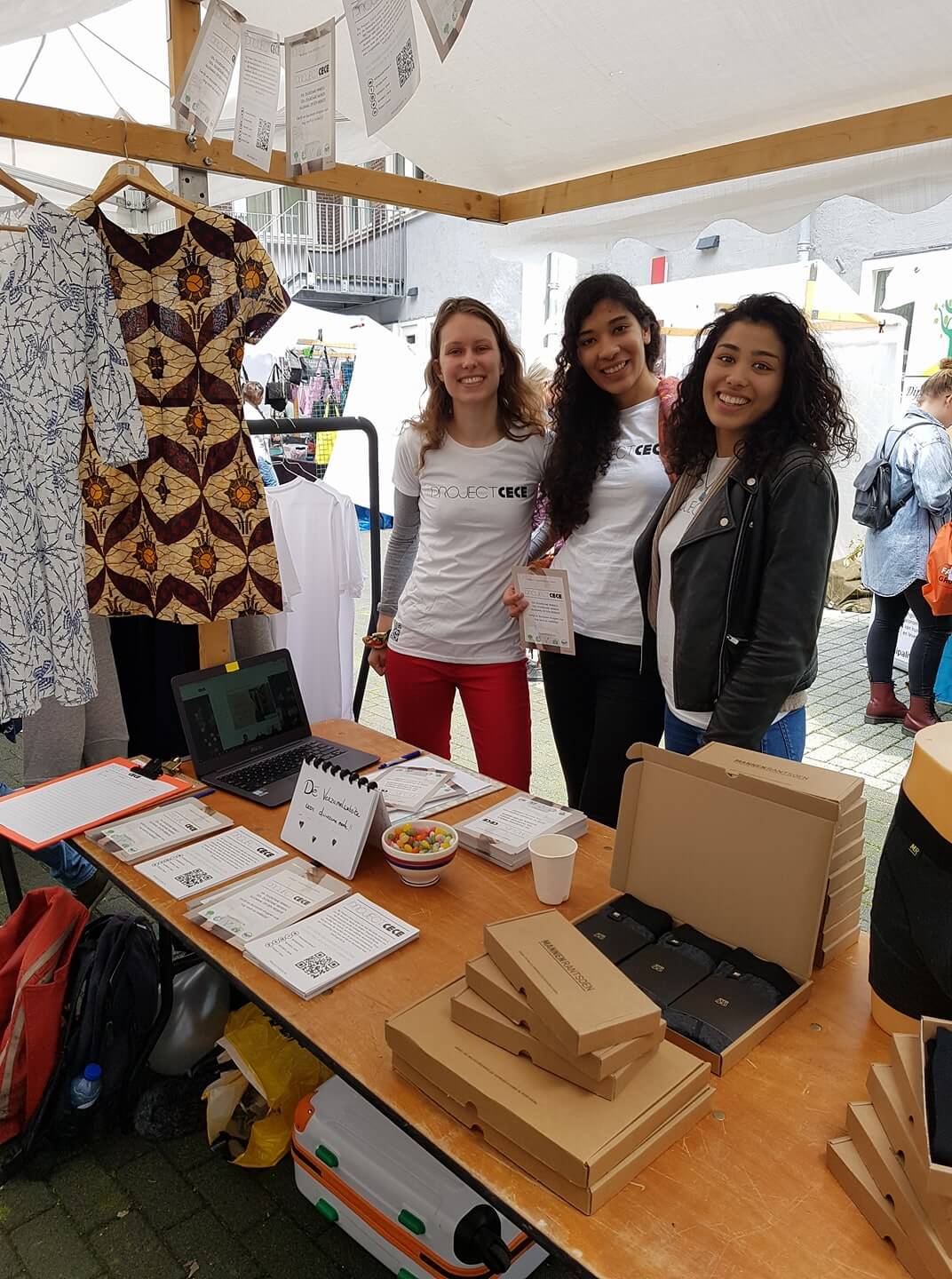
My name is Melissa (the one on the right), and I’m the co-founder of Project Cece, a platform bringing the best ethical fashion in one place.
Now, you might think you’re dealing with someone preaching about an unrealistic lifestyle from her ivory tower. So, let me take you back to my real-life situation, only a few years ago:
I was so obsessed with fast fashion that, when Primark opened its first store here in the Netherlands, I took a train there to do a massive haul.
It wasn’t until I discovered the expensive cost of cheap fast fashion clothes that I realised how problematic my lifestyle was and decided to change it.
But knowing that fast fashion is bad didn’t automatically make it easy to take the right action (and I don’t think many are comfortable admitting that).
So, with this article, my aim is to show you how you can get there more smoothly than I did.
5 mistakes I made during my journey from fast fashion overconsumption to slow and ethical fashion
Mistake 1 - Falling for fast fashion greenwashing
After watching the fast fashion documentary The True Cost, I went cold turkey and didn’t buy any new clothes for a year (more on that soon). Then, when I eventually walked into my local H&M, I spotted a conscious collection. ‘Great,’ I thought. ‘Things must have gotten better!’
Same whenever I saw generic tags like ‘100% natural’ or ‘green’ in other stores, too.
But years later I realised this: when a brand relies on sweatshops and overconsumption, a single more eco-friendly material doesn’t make that item sustainable, and in some cases, it’s not even as eco-friendly as they’re making it sound. For example, conventionally grown cotton might be natural but it’s one of the worst fabrics for the environment.
Lots of consumers are trying to be more mindful and eco-conscious but finding it confusing and overwhelming. Well, many fast fashion brands are taking advantage of that through greenwashing (= sharing misleading or straight-up false information to come across as more ethical and environmentally friendly than they actually are).
What I recommend doing instead:
Start from the brand, not an item’s label. For example, are they telling you who makes their clothes and how?
Mistake 2 - Switching to second-hand clothing overconsumption
Cheap price tags, bypassing the polluting production stage, and saving garments from landfills? Surely, that was the solution!
So, for a while, I kept doing hauls, simply switching from new fast fashion clothes to second-hand ones.
But I eventually realised that:
- Overconsumption is never sustainable
- Despite the initial dopamine hit, it still keeps you unhappy in the long run, especially if you’re subconsciously shopping to fill a void or belong
- While it does come with some pros, second-hand shopping isn’t as eco-friendly and ethical as we think (for example, it contributes to waste colonialism)
- Many clothings in vintage stores and platforms like Vinted and Depop are actually fast fashion items. And how sustainable is it to order one promoted as "Only worn once!", to be shipped to my home in the Netherlands all the way from France?
What I recommend doing instead:
Find your style, and fall in love with fewer but better clothes that you can happily rewear or remix to create different outfits.
Mistake 3 - Being too strict
When I decided to move away from fast fashion, I didn’t buy any new clothes for a whole year. Even years later, I still overthink it and feel guilty whenever I do buy a new garment.
Some of it is for the best. For example, it means I LOVE every single piece in my wardrobe, like the bag I bought in Milan over 6 years ago and still carry almost every day.
But at some point, things do need replacing, or we might need (or *shrieks* want) a new piece, and while it’s important to be mindful, that purchase shouldn’t come with guilt.
What I recommend doing instead:
Set realistic expectations, find the right balance for you (for example, now, if I think of getting something new, I write it down, and if I still want it 30 days later, I buy it), and be kind towards yourself.
Mistake 4 - Thinking it’s just about me and my wardrobe
I used to see both my shopping habits and my overall journey as an individual one, separated from everything and everyone else.
However, this approach:
- Was limiting
- Made me feel more discouraged, like I was fighting a doomed battle on my own
What I recommend doing instead:
Incorporate what I call “community fashion”: thinking of clothes as something we can share and circulate while working towards the same mission.
This will unlock more options—like renting clothes, swapping them with fellow eco-conscious consumers in your area through peer-to-peer platforms (I’ve been using and loving The Clothing Loop), and contributing to a brand’s take-back scheme—and make you feel more hopeful and motivated.
Which takes me to the next point.
Mistake 5 - Feeling doomed and focusing on the negative
Seeing small ethical brands go bankrupt while ultra fast fashion giants keep growing, remembering we have enough clothes for 6 generations, hearing another friend brag about their SHEIN haul…
“What’s even the point in my trying?”
And that either led me back to overconsumption or made me feel hopeless and uninspired.
What I recommend doing instead:
Focus on the positives, no matter how small (while using the negatives to remind yourself of the importance of making this shift).
For example, I felt discouraged when a friend sent me a birthday gift through Amazon, but then I focused on how, after showing them some items from a clothing swap, they joined me at the next event.
And remember: when we buy clothes, our individual actions can feel like a drop in the ocean, but enough drops can turn into a wave that influences the system.
My key takeaway
Switching from fast fashion overconsumption to mindful and ethical fashion isn’t about trying to be perfect or making yourself miserable!
Instead, start seeing it as an inspiring and exciting journey or self-expression and living in a way that’s aligned with your beliefs.
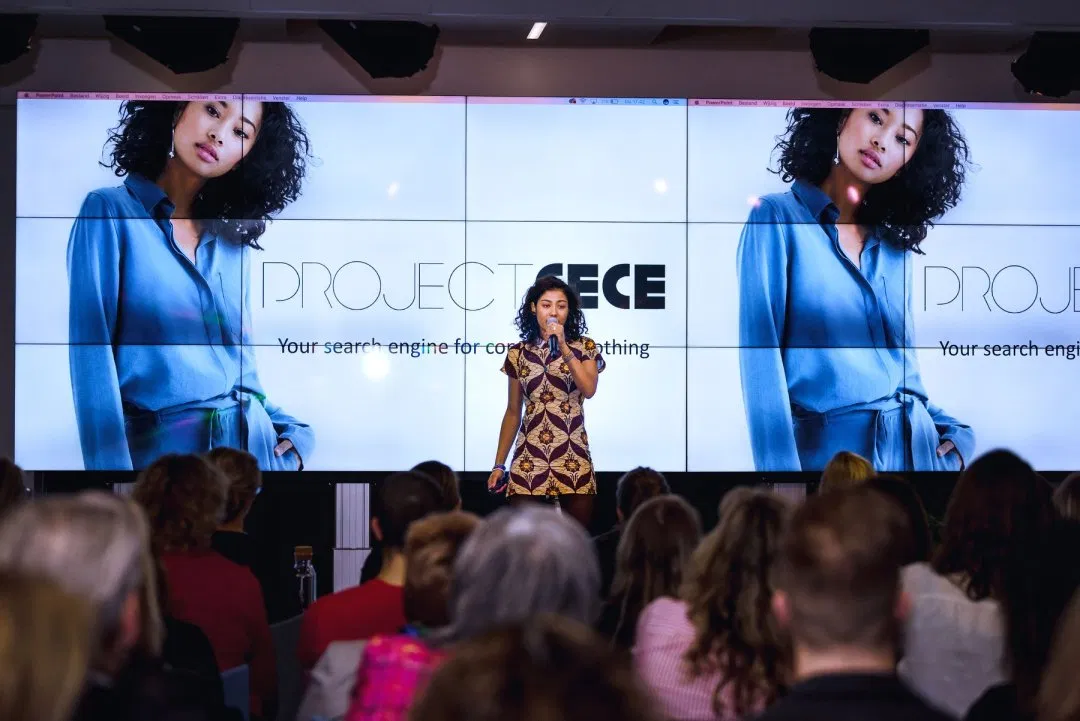
Finding the right ethical clothes and accessories on Project Cece
When I started out, it was hard to find the right clothes, but that’s exactly why we created Project Cece.
We now bring hundreds of fair trade brands in one place, with filters to simplify your choice.
So, as well as avoiding my mistakes, you get to shop the right clothes more easily (and mindfully), too.
.png)
Share our story
Related articles
How to Identify Quality Clothes Online & In-Store (No Surprises!)
No more wasting money on clothes that looked good online or on mannequins but turned out to be poorly made! Check THIS to identify quality clothes.

Is Sustainability Going Out of Fashion? A Worrying ‘Trend’
Greenwashing, fast fashion becoming even faster, the world feeling on fire: are we no longer believing in and prioritising sustainability in clothes?
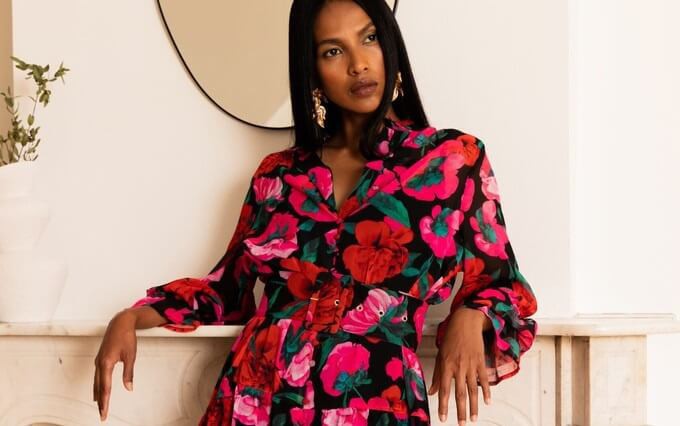
12 Ethical Maximalist Fashion Brands (It’s Not All Neutral!)
Did you think sustainable clothes were all minimalist and neutral? Think again! Here are some bold, colourful, and ethical maximalist clothing brands for you
Project Cece is a platform that collects ethical fashion from vetted brands and shops in one place. Browse ethical fashion for women and men and find items that fit your style, budget and values!


