- Clothes
- Bags
- Accessories
-
Inspiration
- Shoes
Is Sunscreen Sustainable? (Protecting You, Harming the Environment)

Organic cotton dress: check.
Swimsuit or bikini made with recycled plastic bottles saved from the sea: check.
Ethical summer shoes: check.
But what about suncream? Is sunscreen sustainable?
Up until not too long ago, it wouldn’t even cross my mind, even though I had already been curating an ethical wardrobe and making small adjustments to reduce my environmental footprint in my day-to-day life.
But while we all know how important it is for our skin, is sunscreen good or bad for the planet and, especially, the sea?
Let’s look into it and explore our options.
Why is traditional sunscreen not sustainable?
Plastic packaging aside, the main problems with conventional sunscreen stem from the fact that:
- It relies on chemical filters like oxybenzone and octinoxate, which aren’t biodegradable
- When we go for a swim (or even with runoff from swimming pools, showers, and beaches), it starts to wash off, and those chemicals end up in the sea… and that’s where the troubles begin

Does sunscreen damage the environment?
Yes. Unfortunately, conventional sunscreen damages the environment, especially when its chemical filters end up in the sea. It causes:
- Water contamination, as those non-biodegradable chemicals and sediments accumulate and stick around
- Damage to marine life, from infiltrating the food chain to causing reproductive issues and even DNA changes
- Coral bleaching, basically causing corals to expel their algae, which leads to coral death and the collapse of entire reef ecosystems. Sadly, every year, 6,000-14,000 tonnes of UV filters are released into coral reef zones alone
Some countries and organisations are trying to do something about it. For example, Thailand banned sunscreen with certain chemicals in all of its marine national parks.
However, rules and regulations change widely, and most sunscreen is not sustainable.
More sustainable sunscreen options: what to look for (and avoid)
Of course, the solution is not to avoid sunscreen or skimp on it. Your safety should always come first!
However, you can consider more sustainable sunscreen. Here are some options.
(Full transparency: I haven’t included natural SPF oils because, at this stage, they don’t offer good enough protection for your skin, and I don’t believe that’s something we should risk)
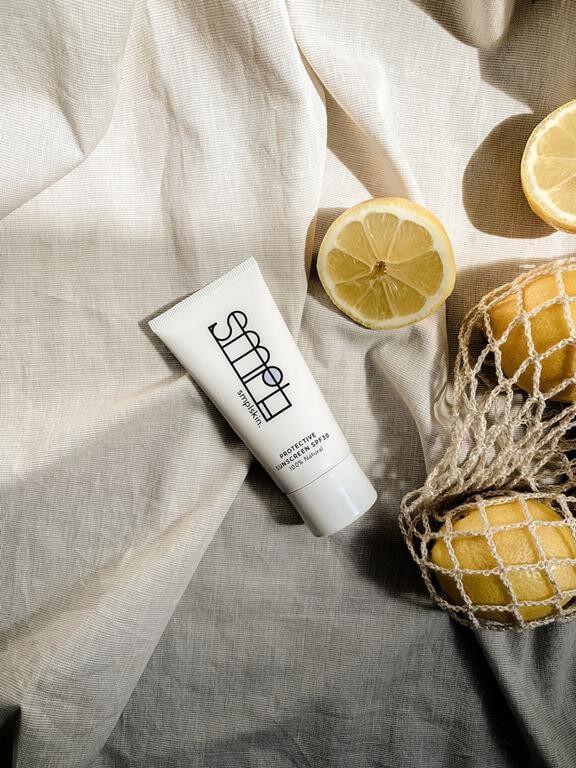
Mineral sunscreen (also known as reef-safe sunscreen or natural sunscreen)
Rather than oxybenzone and octinoxate, it relies on mineral chemicals like zinc oxide or titanium dioxide, and it sits on top of the skin instead of being absorbed.
It’s considered safe for the environment and, especially, coral reefs because, as well as bypassing those bad chemicals, it doesn’t wash off as easily (but aim for non-nano mineral sunscreen, specifically, as it contains larger particles that aren’t absorbed by marine life either).
However, since it’s also known as reef-safe sunscreen and that term isn’t regulated, it leaves plenty of room for greenwashing (= brands pretending to be more eco-friendly than they actually are). So, check their actual ingredient list.
The only con of this type of sustainable suncream, in my opinion, is that it often leaves a white shade. I noticed this the first time I wore mineral sunscreen, and since I have darker skin, it was quite noticeable. But they’re not all the same! So, if it bothers you, read the product description and reviews to find one that doesn’t leave that white shade.
Solid sunscreen sticks
These often come in plastic-free packaging, which is also great news for the planet.
Just make sure you still aim for sticks of sustainable sunscreen (so, with minerals rather than traditional oxybenzone or octinoxate).
While they’re rarely enough or practical for the whole body, they’re ideal for more sensitive areas like your nose, cheeks, and ears, and they help you avoid waste when reapplying it, too.
Finding sustainable sunscreen
Overall, if you’re trying to reduce your environmental footprint and protect the sea as well as your skin, I recommend looking for mineral sunscreen and avoiding oxybenzone and octinoxate.
You might be able to find some sustainable sunscreen right here on Project Cece, too!
We’re an ethical fashion platform first and foremost (we brought hundreds of vetted brands in one place and added filters to simplify your choice) but, sometimes, some of them offer mineral suncream too, especially in summer.
So, you might be only a couple of clicks away from the right sustainable sunscreen for you!
_large.png)
Share our story
Related articles

Ethical Summer Capsule Wardrobe: Guide to Look & Stay Cool
Enough with low-quality polyester dresses that roast on your skin in the sun! Here's how to create a practical summer capsule wardrobe you actually love.

Be Sustainable With Clothes in Summer (Without Missing Out)
"Not buying lots of fast fashion summer clothes" does NOT mean “having a boring wardrobe”. Here’s how you can embrace both style and sustainability

11 Tips for a More Sustainable Summer: Sun, Fun, No Harm Done!
Just because it’s the most carefree time of the year, it doesn’t mean that we shouldn’t care about the environment! Here are our tips for a more sustainable summer. Enjoy it with us!
Project Cece is a platform that collects ethical fashion from vetted brands and shops in one place. Browse ethical fashion for women and men and find items that fit your style, budget and values!


