- Clothes
- Bags
- Accessories
-
Inspiration
- Shoes
Is Clothes Shopping Political? (Voting with Your Wardrobe)

There are lots of interesting conversations around fashion being political, like designers creating collections that reference the current zeitgeist.
But what about the role and influence we have as consumers when we buy (and wear) new garments and accessories? Is clothes shopping political?
Here are my two cents, as a fellow consumer and the co-founder of this ethical fashion platform.
Before looking into whether clothes shopping is political, let’s define ‘political’
To make sure we’re on the same page, by ‘political’ I mean something that influences or is shaped by systems of power, resource distribution, and social norms that govern collective life.
So, the full question would be: does clothes shopping impact and feed into social change and power, or is it limited to our individual wardrobes?
Let’s find out.
Why I believe clothes shopping is political
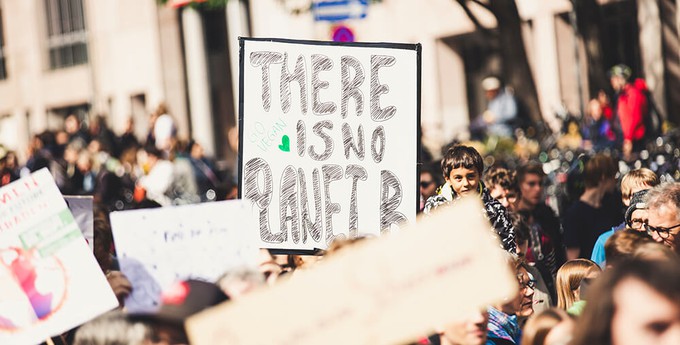
Making clothes is already political in itself
Behind the finished products, there are:
- Resources and environmental practices (and for example, some are dreadful for the planet and fuel climate change, whereas some brands opt for more ethical alternatives)
- Labour practices (which can involve sweatshops and child labour or be fairer)
- Impacts on local communities (from jobs to production practices that pollute their water sources)
- Different corporate power structures (like large multinationals or small and cooperative businesses)
This is already political. So, when we buy clothes, we’re supporting that.
You’re voting with your wallet
When we buy clothes, we’re giving our money to a business, and whether we like it or not, money decides who holds power. No wonder so many billionaires are basically making the rules and controlling conversations, nowadays.
Money also allows people and companies to lobby, influencing the decisions made by the government or political entities like the EU.
And when huge fast fashion companies get involved… it’s usually bad news.
For example, I was shocked to find out that, despite being one of the worst fabrics for the environment, polyester was favoured by the Product Environmental Framework. But it ‘makes sense’... because the majority of the decision-making committee had a business model centered around plastic-based materials. Ugh.
You’re signaling demand
When you choose some clothes over others, you’re supporting that brand financially and showing there’s demand.
So, when more consumers shop from fashion brands that align with their values, it can all have an impact on the overall market (for example, pushing more brands to adopt a specific fabric—like hemp—or move towards more ethical production).
You can amplify the stances taken by a fashion brand
As teased before, fashion itself can be political also because some designers and brands choose to take stances on social issues or share powerful messages, like showcasing diverse models, condemning the actions of a political leader, or supporting marginalised communities.
Of course, depending on what they do and say, this can be seen as positive or problematic and controversial.
But when you buy their clothes and give them money, you get to support the ones that align with your beliefs.
The clothes we wear send a message, too
Sure, most of the time, we’re just getting dressed without thinking twice about this. But what we choose to wear can send a strong message!
This can happen more explicitly (for example, by wearing slogans or symbols that signal solidarity or identity) or implicitly (because, in some cases, what we are expected to wear is shaped by bigger social issues—like gender norms or racialised judgements of what is seen as professional or respectable. So, our choice to conform to, resist, or reinterpret these norms is political).
But even though clothes shopping is political, let’s keep this in mind, too:
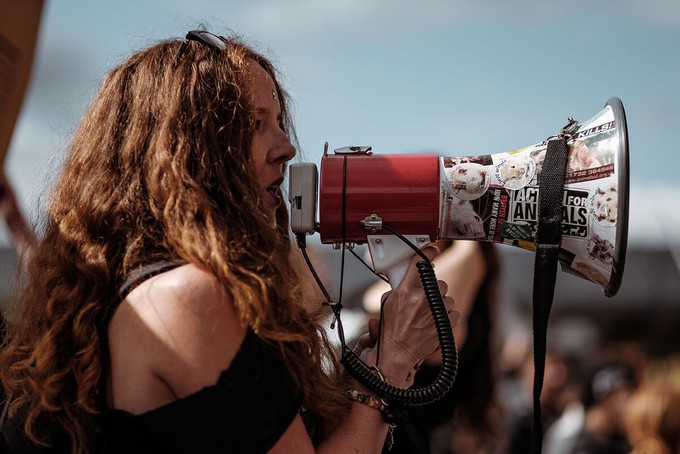
At the end of the day, the real power sits with governments and corporations, especially when it comes to legislation. So, the biggest responsibility should always be on them, not individual consumers.
But at the same time, remember: we can make a difference!
"When we buy clothes, our individual actions can feel like a drop in the ocean, but enough drops can turn into a wave that influences the system."
Melissa Wijngaarden, co-founder of Project Cece
If you also think that clothes shopping is political, here are some things you might want to consider
Let me be clear: these aren’t rules! It’s a very personal matter.
But if you could do with some guidance to start making more informed decisions and have a stronger impact, this is what I consider when shopping for clothes:
- Who am I supporting with this purchase? For example, is it a huge fast fashion company or an indie business that would really benefit from my money?
- Am I supporting something I align with? For example, was that item made in sweatshops and with fabrics that are terrible for the environment, or by garment workers who are paid fair wages and with kind materials?
- (If I realise that a garment/brand that grabbed my attention wouldn’t align with my beliefs): what are my alternatives? For example, I could look for a similar item sold by a different brand
And if you’re also looking to support more ethical fashion brands, you can find hundreds of them right here on Project Cece, with filters to simplify your choices.
Overall, I believe clothes shopping is political. And while the main responsibility shouldn’t be on us consumers, isn’t it inspiring to realise we have more power than we thought?
_large.png)
Share our story
Related articles

Fast Fashion Doom: “I Can’t Make a Difference.” You Can!
Fast fashion overproduction, waste, and pollution can feel too big and unstoppable, but there ARE ways to make a difference… while also feeling better and more hopeful!
8 Fun Sustainable Fashion Activities: Turn Friends Into Activists
First in your circle to switch to ethical clothes? Get everyone else on board with these sustainable fashion activities—and make new memories together.

Boycotting & Voting with Our Money: Can We Make a Difference?
Does boycotting really work? Well, we think that ‘buycotting’ does! Here’s why swapping a single vowel is key to achieving change by voting with your money.
Project Cece is a platform that collects ethical fashion from vetted brands and shops in one place. Browse ethical fashion for women and men and find items that fit your style, budget and values!


