- Clothes
- Bags
- Accessories
-
Inspiration
- Shoes
Fast Fashion Is Destroying Biodiversity (& What We Can Do)

What does a SHEIN haul in Europe even have to do with bees disappearing in India and rivers turning red in China?
Turns out, a lot.
After being a clueless shopaholic for years, I started opening my eyes to the horrors of fast fashion through the documentary The True Cost: sweatshops, modern slavery, child labour, tonnes of waste, speeding up climate change…
Luckily, more and more people are now talking about those issues.
What most consumers are still unaware of, though, is fast fashion’s impact on biodiversity.
So, let’s look into it together.
What does biodiversity mean, in simple words?
Biodiversity means all the different kinds of life found in one area, especially animals and plants but also fungi and microorganisms.
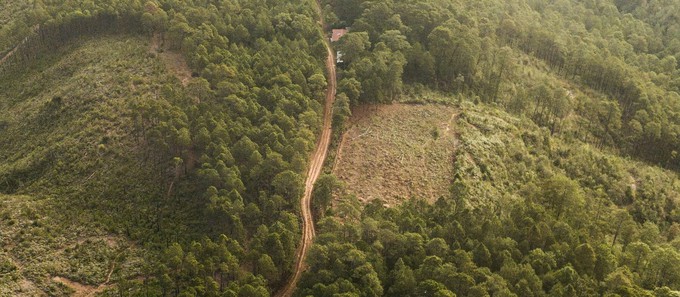
How are biodiversity and fast fashion even connected?!
From the sourcing of raw materials to clothing production and disposal, fast fashion has a big (and negative) impact on biodiversity across all stages of its supply chain.
This is mainly due to:
- These brands choosing the cheapest options to keep their prices so low, without regard to their impact on the environment
- This industry’s scale, speed, and production volume
This was just a little overview to give you a rough idea. But what does fast fashion’s impact on biodiversity look like in practice?
The main ways in which fast fashion damages biodiversity
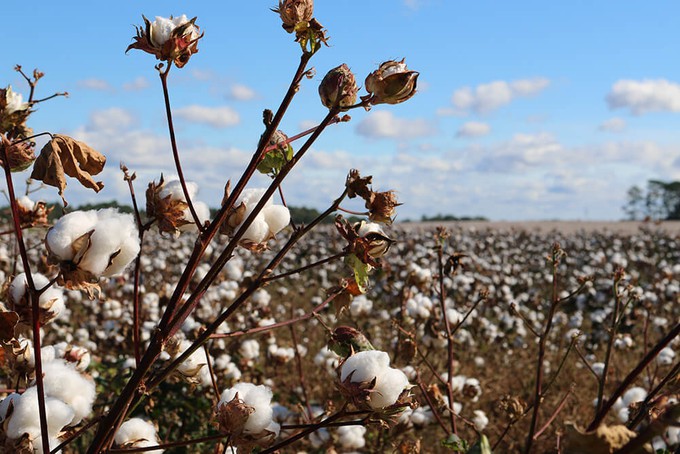
There can be lots of additional ways but fast fashion’s impact on biodiversity is mainly through:
- Pesticides – Cotton production, in particular, uses lots of insecticides and herbicides. These chemicals harm insects, birds, soil organisms, and once they reach waterways, aquatic species, too
- Fertilisers – Also common in cotton production, these chemicals alter ecosystems. For example, they cause excessive growth of algae, contaminate drinking water, make the soil too acid, and lead to high concentrations of salt
- Soil degradation – Intensive cultivation (especially of certain crops, like cotton) leads to erosion and loss of nutrients, making it harder for other plants to grow there
- High water consumption – Fast fashion uses A LOT of water: 2,700 litres for a single cotton t-shirt. This reduces the water available to wildlife, rivers, and wetlands
- Pollution from dyes and chemicals – Fast fashion uses cheap dyes and toxic chemicals to cut costs, and factories often release untreated wastewater into waterways. As well as being dangerous to humans, these chemicals pollute rivers and marine ecosystems. Several rivers have even been changing colour!
- Microplastics – Most fast fashion clothes are made with synthetic fabrics like polyester. Whenever you wash them, they release up to 700,000 microplastics, which eventually end up in the ocean and fishes’ bellies
- Deforestation and habitat conversion – New farmland for cattle and cotton, in particular, often replaces forests and other natural habitats
- Air pollution and greenhouse-gas emissions – From fibre production (40% of fashion’s emissions come from polyester manufacturing alone) to clothing disposal, fast fashion releases gases and other pollutants that contribute to climate change and affect organisms and ecosystems
- Clothing waste disposal – Fast fashion pushes us to buy clothes on a whim, only wear them a couple of times, and bin them without worrying about what happens afterwards. But clothes don’t magically disappear!
Most of them end up in landfills (yes, even when we donate them), where they produce polluting gases like methane and carbon dioxide and where chemicals and microplastics leak into the soil and waterways. And if they’re incinerated… more greenhouse gases!
What are the main outcomes of fast fashion’s impact on biodiversity?
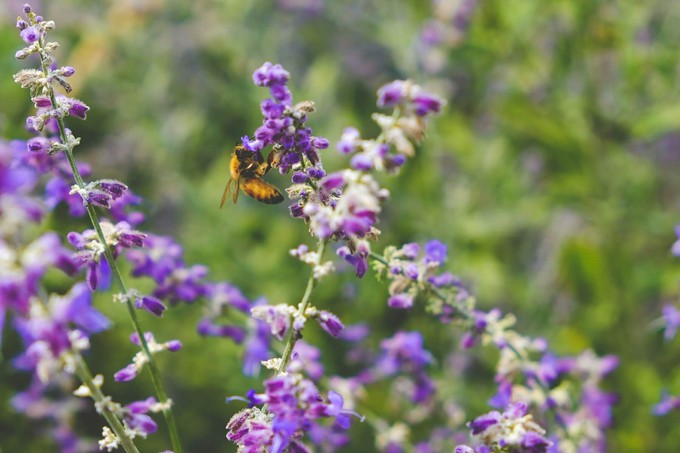
Overall, the main outcomes of fast fashion’s impact on biodiversity are:
- A decline of the population of various species (= fewer individuals), which can also lead to their extinction. A particularly worrying one is the decline in pollinators like bees
- Reduced species diversity (= fewer types of species within an ecosystem)
- Loss of habitats and ecosystems
- Reduced ecosystem resilience (= losing the ability to adapt or recover from environmental changes)
What we can do to reduce fast fashion’s impact on biodiversity

Let me be clear: the main responsibility should be on brands, first and foremost!
However, when we (don’t) buy clothes, we have more power than we think. Our individual actions might feel like a drop in the ocean, but enough drops can turn into a wave that influences the system.
So, here’s what you can do to reduce fast fashion’s impact on biodiversity:
- Educate yourself – Reading this article was a great start. You can also read about the environmental cost of fast fashion beyond biodiversity and the overall problems with fast fashion. Here are my favourite resources on fast and sustainable fashion
- Donate to organisations protecting biodiversity (if you can) – Some starting points: National Biodiversity Network, Greenpeace, The Wildlife Trusts, and the Royal Society for the Protection of Birds.
Or look for local organisations focusing on the conservation and protection of forests and wildlife, restoration of habitats, or reduction of pollution - Ditch fast fashion – This entire business model is based on compelling you to buy new clothes regularly to keep up with trends or fill a void, without worrying about how they were made or what happens to them afterwards. This just isn’t sustainable!
- Embrace slow fashion – The goal isn’t to replace fast fashion hauls with mindless purchases from better brands: it’s to shop and wear clothes mindfully instead of seeing them as throwaway.
First of all, the most sustainable garments are the ones you already own.
As for new ones, consider investing in fewer but higher-quality pieces (produced ethically—taking both garment workers and the environment into account—and made to last) that match your style, so that you’ll happily rewear them for years and use them to create lots of different outfits.
As for finding them: at Project Cece, we brought hundreds of fair trade brands in one place, with filters to simplify your choice
Fast fashion’s impact on biodiversity is a reminder that the real cost of those €5 clothes is actually ridiculously expensive.
_large.png)
Share our story
Related articles
Style vs Planet: Can You Love Both Fashion & the Environment?
Can you really be obsessed with clothes and care about the planet? (Yes, but not like THIS)

6 Human Activities Affecting the Environment: How Clothes Fit In
From cotton pesticides to polyester’s emissions, here’s how fashion contributes to all these human activities' impact on the environment (& what we can do)
Fast Fashion's Environmental Impact: Your Clothes' Real Cost
Low price tags, HIGH cost for the planet. Here’s a jargon-free overview of fast fashion’s environmental impact—and what YOU can do about it.
Project Cece is a platform that collects ethical fashion from vetted brands and shops in one place. Browse ethical fashion for women and men and find items that fit your style, budget and values!


