- Clothes
- Bags
- Accessories
-
Inspiration
- Shoes
We Have Enough Clothes for the Next 6 Generations: What Now?

Thousands of new designs added to ultra fast fashion online stores every day. This season’s must-haves. TikToks and Instagram carousels with items you “need” to add to your wardrobe.
And yet, according to a popular worrying claim, we already have enough clothing for the next 6 generations.
Do we actually, though? And if so, how did we get here, and what can we do to reduce their impact on the environment and climate change?
Let’s look into it together.
Do we really have enough clothes to clothe the next 6 generations?
The claim that we already have enough clothing for the next 6 generations is usually attributed to the British Fashion Council. But after doing some digging, I found out they heard it from Patrick Grant—businessman, author, and director of Community Clothing—at a conference.
How did he make that calculation, then?
He looked at how many garments are produced every year (more than 100-150 billion), how many items each person needs, and population predictions.
However, I believe it’s important to keep in mind that:
- Those figures are approximations (most brands don’t disclose how many garments they produce, and there’s no way of knowing how many vintage clothes are also in circulation)
- Fast fashion is literally designed to break after a few wearings, not last for generations
- Some sizes are more popular than others
So, the way I see it?
We can’t physically use our current clothes to clothe every single individual for the next six generations. But we are producing so many garments that, if issues like sizes and deterioration weren’t a problem, it probably would be enough!
And as someone who cares about the environment, that’s terrifying.
How did we get to the stage of having roughly enough clothes for the next 6 generations?

The main reason why we now have enough clothes for the next 6 generations is because fast fashion has been overproducing low-quality garments and brainwashing us into seeing and treating them as throwaway.
Before fast fashion?
- Clothes used to be something to love and keep for years
- It was also common to pass them down to younger siblings or family members
- They were higher-quality and designed to last
For example, I remember finding a perfect blouse in my mother’s closet. It was 100% cotton and still in perfect shape even though she bought it over 20 years ago. The brand?
You’d never guess: Hennes & Mauritz, aka “good” old H&M. Big contrast from the blouses I bought as a teen and tore up in under 5 years despite using the same clothing care techniques as my mom!
It shows how much lower the quality is nowadays, despite it being the same brand. And it gets even worse with ultra fast fashion like SHEIN.
Why it’s worrying that we have enough clothes for the next 6 generations
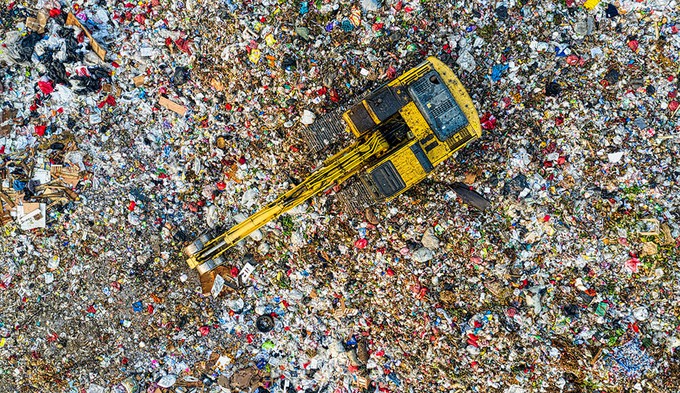
The biggest concern is that, since we obviously won’t actually be using all these clothes to clothe the next 6 generations, most of it is waste. Given the speed and quantities produced, though, it also brings us back to the other problems of fast fashion, too
- 92m tonnes of textile waste every year, like one truck full of clothes dumped into landfills every second… where they’ll take ages to decompose and release toxic gases and chemicals
- Excessive use of water, contributing to desertification and making an already scarce resource even scarcer
- Water pollution
- Microplastics
- Soil erosion
- Biodiversity loss
- High carbon emissions that contribute to climate change
And let’s not forget that, to keep churning out so many cheap clothes, fast fashion relies heavily on sweatshops and child labour.
What can we do about the fact that we already have roughly enough clothes for the next 6 generations?
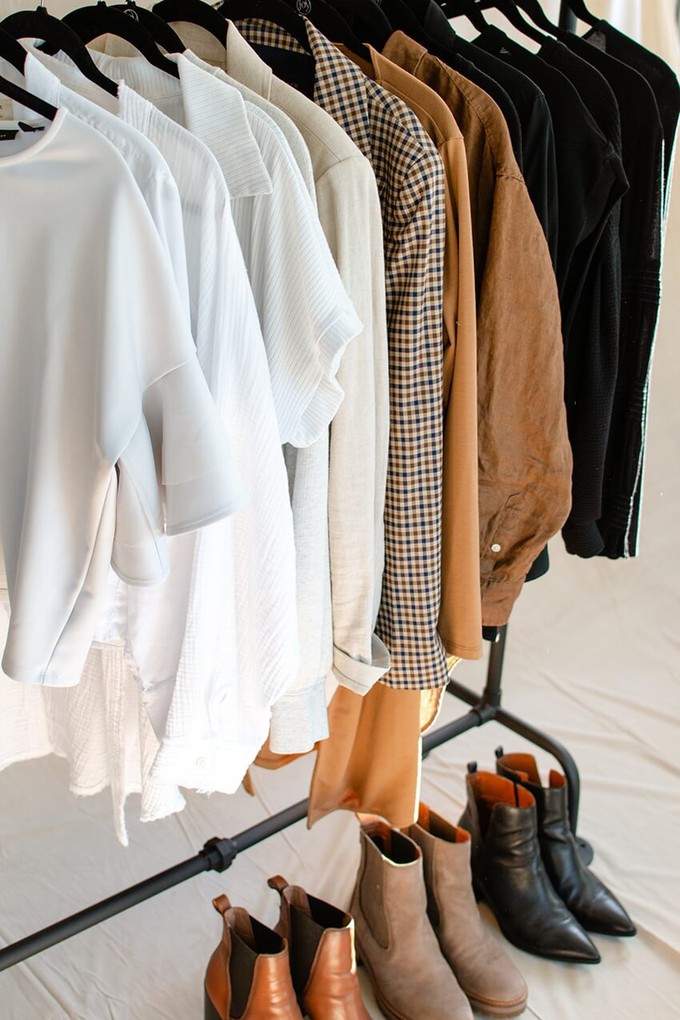
As I always say, the biggest responsibility should be on brands and organisations, not consumers.
However, when we buy clothes, our individual actions might feel like a drop in the ocean, but enough drops can turn into a wave that influences the system!
- Shift your mindset around clothes – Stop seeing them as unimportant throwaway items
- Get the most out of your existing wardrobe – The most sustainable garments? The ones you already own! And keeping them for years doesn’t have to be boring: embrace self-expression and unleash your creativity (for example, using the same clothes and accessories in different ways to obtain new outfits)
- Make your clothes last longer – Take care of your garments, and fix them if something goes wrong
- Talk about this with friends and family – Surrounded by people who brag about their latest SHEIN hauls? Relatives gifting you random clothes? Most people simply don’t know much about the terrible impact of fast fashion overproduction
- Shop second-hand (without going overboard) – Years ago, I made the mistake of swapping my fast fashion hauls for the same quantities of second-hand and vintage garments. But overconsumption is never sustainable! Plus, those clothes actually contribute to waste colonialism. However, when you buy second-hand clothes occasionally and mindfully (for example, a high-quality find you’re genuinely going to wear for years), you are saving them from landfills
- Be ethical and mindful when buying new clothes – Instead of chasing impersonal trends every other week (and still feeling like you have nothing to wear), invest in fewer but higher-quality garments that:
- match your style
- you actually love and will rewear +30 times
- go with your existing wardrobe
- were made ethically and to last, by brands that care about both the environment and garment workers. You can easily find hundreds of sustainable fashion brands on Project Cece, with filters to simplify your choices
Since we already have roughly enough clothes for the next 6 generations, let’s do our bit to make fashion slower!

Share our story
Related articles

11 Ways to Reduce Your Clothing Waste (& Why It Matters)
Every second, the equivalent of a truck full of clothes gets incinerated or dumped in landfills. Here’s how we can reduce our clothing waste.

Waste Colonialism in Fashion: Is Your Wardrobe Supporting It?
If you donate clothes to make up for your hauls, the chances are… they end up in Africa! Discover how textile waste colonialism works and how you can help.

Is Fast Fashion Overconsumption Making You (Un)Happy?
Fast fashion is designed to make you feel good at first but keep you unhappy in the long run. Don’t believe us? See if any of these sound familiar…
Project Cece is a platform that collects ethical fashion from vetted brands and shops in one place. Browse ethical fashion for women and men and find items that fit your style, budget and values!


