- Clothes
- Bags
- Accessories
-
Inspiration
- Shoes
What Is Fast Fashion, In Practice? (A Plain English Explanation)

You keep hearing or seeing this term thrown around, especially on social media. But what is fast fashion in practice? And why are so many people and brands talking about it right now?
Here’s a simple answer and examples.
What does fast fashion mean?
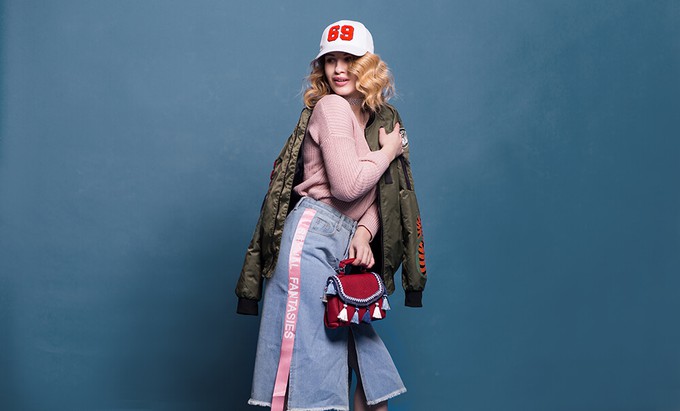
Fast fashion is a type of business model. It's based on mass-producing trendy clothes and accessories, selling them at extremely low prices, and encouraging consumers to keep buying.
Think €3 cotton t-shirts and €10 polyester dresses.
What are some examples of fast fashion?
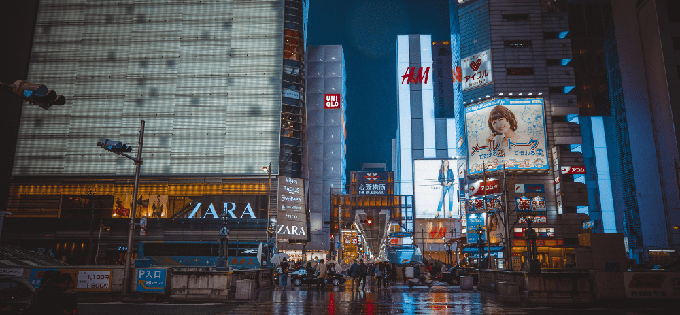
Some examples of fast fashion are your typical high street chains like Primark, H&M, Zara, and Topshop.
In the past, we used to have two main yearly collection (Spring/Summer and Autumn/Winter). Fast fashion brands now follow new micro-seasons every week.
Ultra-fast fashion online stores take this even further (unfortunately!). They upload thousands of new throwaway garments every day.
Some examples of ultra-fast fashion are SHEIN and Boohoo.

What three things define fast fashion?
Fast fashion is mainly defined by being:
- Trendy – Fast fashion’s designs are inspired by the catwalk and social media trends. Much like what you see in your feeds and influencers’ profiles, they change all the time (the opposite of ethical fashion brands encouraging self-expression and designing timeless clothes you can rewear for years)
- Cheap – This encourages customers to keep buying fast fashion clothes without questioning who made them and how. Not only do they hide an expensive environmental and human cost, though: these frequent purchases all add up (£670-£860 a year on average)
- Throwaway – Fast fashion clothes aren’t intended (or even made) to last. These brands encourage you to view them as disposable, without worrying about waste. No wonder we tend to wear our clothes less than 7 times
Is fast fashion harmful?
Yes. Unfortunately, fast fashion is extremely harmful, especially from an environmental and ethical perspective, but also due to how it affects consumers like you.
What impact does fast fashion have on the environment?
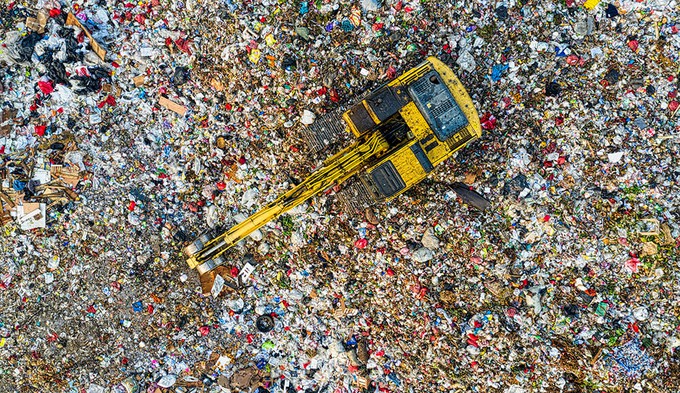
Fast fashion has a terrible impact on the environment. To keep prices so low, these brands save money through cheap materials and production practices that don’t protect the planet and our resources.
Some of the environmental problems of fast fashion are:
- The most popular fast fashion fabrics are also the worst for the planet – Polyester is responsible for over 40% of all carbon emissions from fibre production, releases dangerous microplastics into our oceans, and can take centuries to decompose. Traditional cotton, despite being natural, is full of nasty pesticides and insecticides, requires huge amounts of water (2,700 litres to make a single cotton t-shirt), and damages the soil
- High carbon emissions – Fast fashion causes 10% of all carbon and greenhouse gas emissions. These are gases that cause and worsen climate change
- Toxic dyes, bad chemicals, and wastewater – From fertilisers to cheap dyes: fast fashion’s wastewater is often dropped into rivers (especially in developing countries) without being cleaned. This endangers local animals and communities
- Soil degradation and deforestation – Bad chemicals from cotton production, forests chopped down to create pastures for sheep, overgrazing… Fast fashion is heavily responsible for our loss of forests, rainforests, and precious habitats
- Waste – Fast fashion encourages consumers to see clothes as throwaway items. This leads to 92 million tonnes of waste every year
What is fast fashion’s ethical problem?
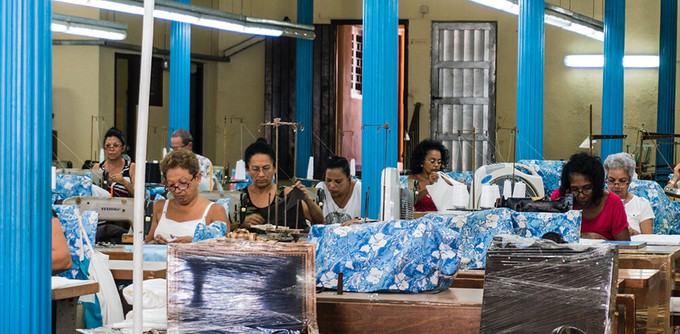
As well as its environmental issues, fast fashion’s ethical problems concern the impact on people, especially garment workers:
- Sweatshops in developing countries – How can garment workers receive fair wages, when a t-shirt's only €3? To keep their prices so low, fast fashion brands usually rely on dodgy supply chains in faraway countries with looser regulations. So, their garment workers might be trapped in modern slavery conditions: underpaid and exploited, forced to complete inhuman shifts and in dangerous premises (remember the Rana Plaza collapse which killed 1,134 garment workers in 2013?). Women are often abused, too
- Child labour – Your fast fashion items often hide the forced and underpaid work of children. For example, child labour is common in sweatshops and cotton production
- Harming communities – Fast fashion often leads to health risks, too. For example, think of garment workers breathing in toxic chemicals, or villages running out of drinkable water.
How does fast fashion affect consumers?

Fast fashion affects consumers by keeping them trapped in a vicious cycle: needing new clothes to get that energising dopamine hit (or to try to fill a void or belong), only wearing them a couple of times... and then starting again.
In fact, even though you feel good whenever you fill that physical or online cart, fast fashion’s overconsumption is designed to make you unhappy in the long run!
It also removes your self-expression by pushing you to follow temporary trends and wear what someone else decided is a must-have.
Ouch. So, what is fast fashion’s alternative?

The best fast fashion alternative for the planet, garment workers, and you is slow fashion.
This is a mindset shift first and foremost. It's about investing in fewer but higher-quality and more meaningful ethical clothes, happily rewearing them for years.
Basically, doing the opposite of what fast fashion is pushing you to do!
- Instead of chasing temporary trends? Embrace timelessness and self-expression. Choose clothes that match your style and can be paired up in different ways to create lots of outfits
- Instead of buying lots of random cheap clothes? Invest in fewer quality pieces you actually love. Sure, the price tags will probably be higher. But you can save a lot of money in the long run, especially when you break free from hauls and mindless purchases
- Instead of seeing your clothes as throwaway? See them as durable. Fall in love with them, and take care of them to help them last even longer
And by the way: I might be the co-founder of this ethical fashion platform. But years ago? I used to be a massive shopaholic (my very first time taking the train out of town on my own was to do a big Primark haul).
So, I’m speaking from experience when I say: be kind to yourself as you start ditching overconsumption, especially now that you know what fast fashion is and how it’s literally designed to keep you ‘trapped’. But it's gonna be so worth it!
As for finding the right slow fashion items: at Project Cece, we brought hundreds of fair trade brands in one place, with filters to simplify your choice.
_large.png)
Share our story
Related articles
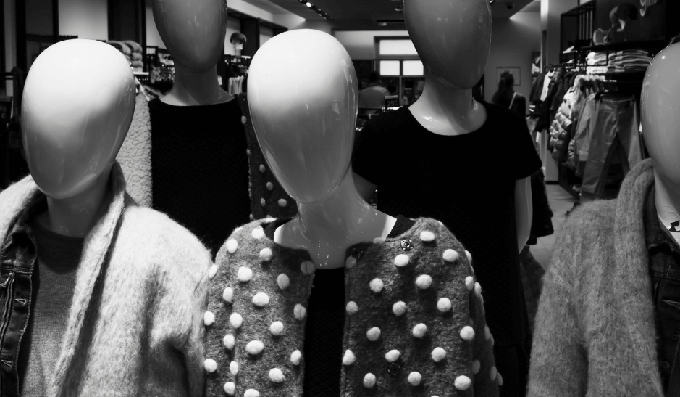
6 Fast Fashion Habits Keeping You Hooked: How to Break Them
You keep promising you'll be more mindful with your clothes but always slip back? It's because you must break these fast fashion habits FIRST! Here's how.
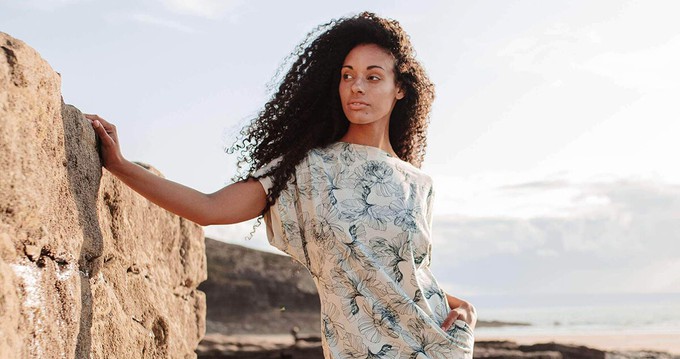
How to Ditch Fast Fashion & Switch to Ethical Clothes: 10 Tips
Ready to take the first step towards a more sustainable wardrobe? Here are some practical tips to ditch fast fashion and discover ethical alternatives.
Problems with Fast Fashion: Cheap Clothes, High Hidden Costs
From child labour to toxic dyes, there’s a high hidden cost behind cheap labels. Check out the problems with fast fashion and discover a sustainable solution.
Project Cece is a platform that collects ethical fashion from vetted brands and shops in one place. Browse ethical fashion for women and men and find items that fit your style, budget and values!


