- Clothes
- Bags
- Accessories
-
Inspiration
- Shoes
Should You Ditch Polyester & Embrace Natural Fabrics? Hmm…

I’ve noticed an anti-polyester movement rise, lately, especially on TikTok and Instagram. Is that good news and as simple as it sounds?
Unfortunately, as we educate ourselves and try to embrace a greener lifestyle, things are rarely black and white.
Yes, synthetic fabrics like polyester are usually terrible. But did you know that fluffy, natural, and seemingly innocuous cotton is one of the worst ones for the environment, too?
I’ll show you why, so you can make more informed decisions and decide whether you should ditch polyester entirely.
Reasons to move away from polyester and synthetic fabrics
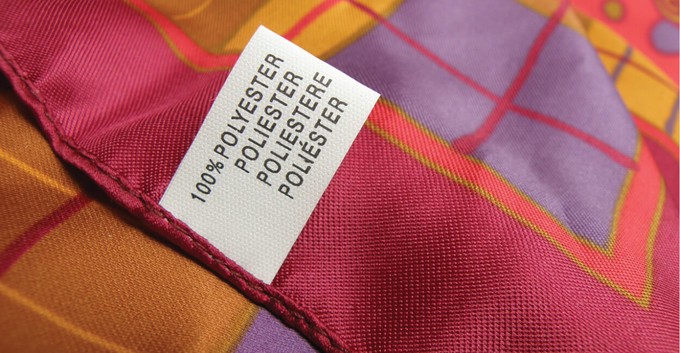
If you check a handful of items in a fast fashion chain or online store, I’d be surprised if none of them are made of polyester.
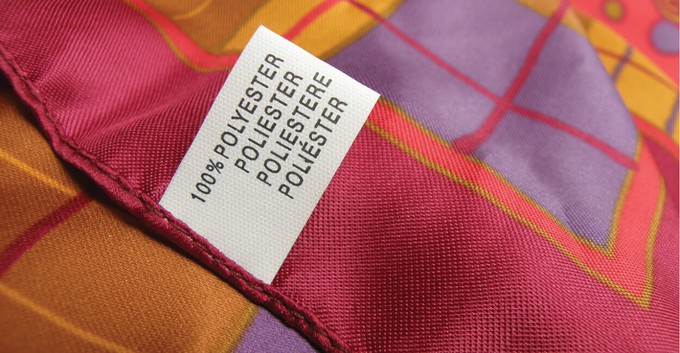
Because it’s so easy and cheap to produce, it’s literally the most widely used fabric in fashion. But cheap polyester hides an expensive cost:
- It’s basically plastic and comes from fossil fuels
- It requires an extremely polluting production process that contributes to climate change (40% of fashion’s emissions come from its manufacturing)
- When washed, it releases microplastics that end up in the ocean, fishes’ bellies, and ours, too
- If you have sensitive skin, it can cause irritation and rashes
- It’s not biodegradable and can take centuries to decompose. If incinerated, it releases toxic gasses into the atmosphere
- It’s also extremely difficult to recycle
Other reasons why so many consumers are looking to move away from polyester:
- It’s not breathable – For example, I recently bought a beautiful cropped trench coat made from 100% polyester, thinking it’d be perfect for spring. But whenever I'm biking, it turns into a sauna (and it’s not even hot yet!)
- Fabric frequency – Different fabrics have different frequencies, and polyester’s is low (fact). However, behind this trending topic is the belief that lower fabrics have a negative impact on your energy and mood, but that’s never been proven (although I appreciate you might feel differently depending on your spirituality)
- Wanting to move towards natural fabrics and a healthier lifestyle – And that’s great… although it’s worth noting that, in some cases, the glorification of all things natural, spiritual, and traditional has become a pipeline towards the alt-right
When polyester and synthetic fabrics aren’t that bad
These don’t solve all the problems of polyester (for example, microplastics) but I believe it can be considered a reasonable choice when:
- It’s recycled polyester – Compared to new polyester, it reduces energy use by 50%, CO2 emissions by 75%, and water consumption by 90%. It also saves plastic from landfills or the ocean
- You’re buying less but better and keeping it for longer – Imagine investing in a single polyester piece (ideally, recycled) that you actually love and will rewear for years, made by a brand that’s reducing its environmental footprint in other ways and paying workers fair wages. Arguably, that’s better than buying multiple natural garments on a whim and discarding them after a couple of wears
- You already own some polyester items – The most sustainable clothes are the ones already in your wardrobe
Why natural fabrics aren’t automatically more sustainable
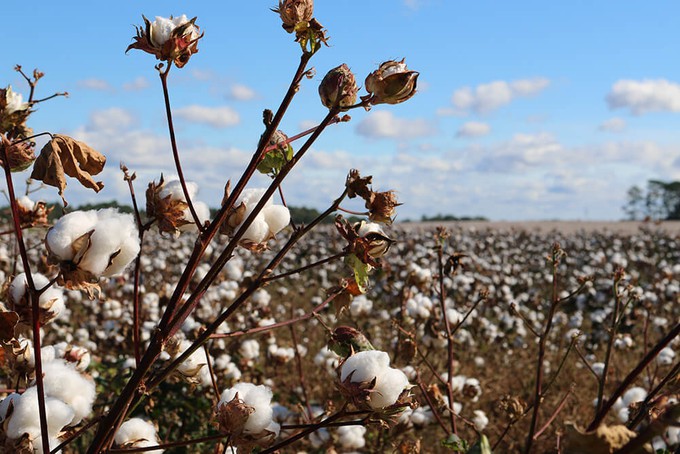
Natural fabrics feel like the logical solution, which is why it’s easy to get tricked by fast fashion brands capitalising on this (and sticking vague terms like “natural” or “green” on their labels).
But while they do tend to be better for the planet (for example, no fossil fuels), in some cases, they’re just as bad or even worse than polyester.
- Some natural fabrics are linked to deforestation – For example, to make room for pastures or needy crops
- Conventionally grown cotton, in particular, is one of the worst fabrics for the environment – It’s full of pesticides and insecticides, requires 2,700 litres of water to make a single t-shirt, leads to soil degradation, and releases lots of greenhouse gases
- They’re often mixed with synthetic options – And that means they lose their biodegradable properties
- Animal-derived natural fabrics come with additional issues – From leather to wool, they bring ethical concerns, and livestock is responsible for around 12% of all carbon emissions
- They can still involve toxic chemicals or dyes – A fast fashion cotton t-shirt isn’t as good for our skin as some people on Instagram seem to think!
- How and by whom they’re made matters too! – A natural garment designed to fall apart after a few wearings and produced in a sweatshop? Again, not as ethical as that “100% natural” label wants you to believe
How to choose sustainable natural fabrics
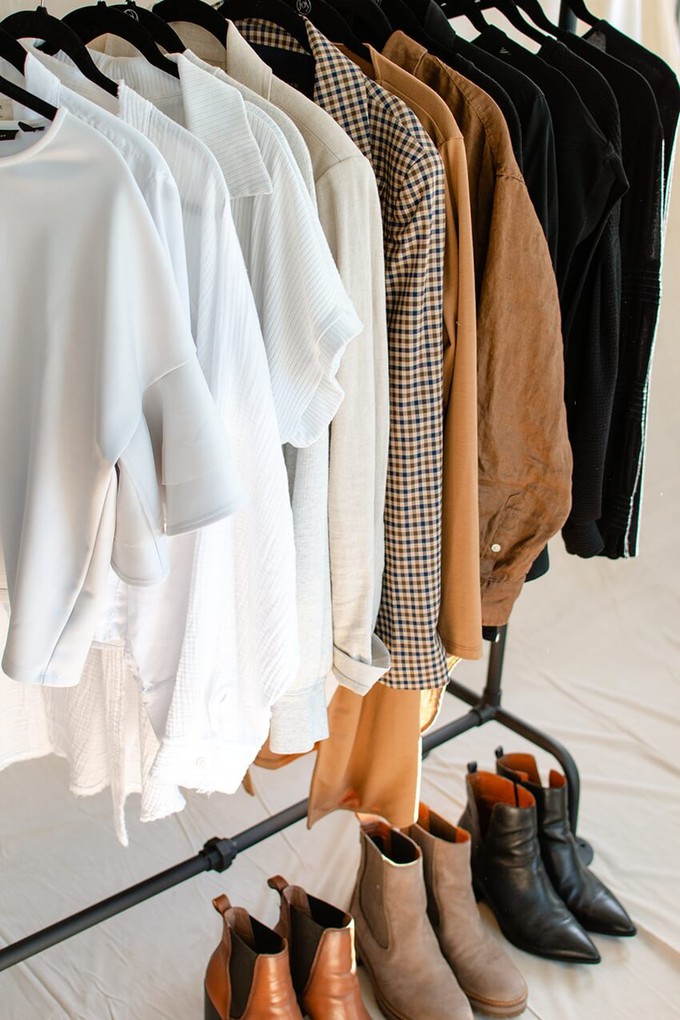
- Start from kinder natural fabrics – Look for linen, bamboo, hemp, organic cotton (which has a much lower environmental impact) and organic wool—or even better: recycled ones
- Go beyond fabrics, and look for transparency – Is this brand also telling you how that natural garment was made, where, and by whom?
- Check certifications – Not every brand (especially small ethical ones) can afford them, but if you do see logos like GOTS, Better Cotton Initiative, or B-Corp, it’s extra peace of mind
- Assess quality and durability – Was it made to last? Is it something you’ll happily rewear for years, or was it designed to follow a temporary trend and then be discarded?
So, should you ditch polyester and switch to natural fabrics?
I believe that, overall, it’s indeed a good idea to prioritise natural fabrics over polyester and synthetic ones. However, it’s not black and white.
My advice?
- Do prioritise natural fabrics if the entire garment was made ethically (so, not a €5 fast fashion cotton t-shirt)
- Be open to items made with recycled polyester or by ethical brands reducing their impact in other ways
- Overall, the most ethical thing you can do with your wardrobe is to buy less but better and rewear it for longer
Finding the right recycled polyester or natural clothes on Project Cece
Regardless of whether you decided to ditch polyester entirely or you prefer a more balanced approach, you won’t need to spend hours with dozens of open tabs or investigating each brand.
At Project Cece, we brought hundreds of brands in one place, with filters to simplify your choice, including Material.
So, from recycled polyester to organic cotton, finding clothes that match your style, budget, and ethos has never been easier.
_large.png)
Share our story
Related articles
Polyester vs Cotton: Is the Latter REALLY More Sustainable?
What if the 2 most popular fabrics were also some of the WORST for the planet? Here’s a simple polyester vs cotton comparison from a sustainability standpoint.

Polyester vs Recycled Polyester: Is the Latter Eco-Friendly?
Does using plastic bottles and fishnets make this material more sustainable? Let’s look into virgin polyester vs recycled polyester clothing to find out.
Polyester Problems: Cheap Fabric, High Environmental Cost
What’s behind a £4 synthetic dress? Plastic, toxic chemicals, and fossil fuels, to name a few. Discover why polyester and sustainability rarely go together.
Project Cece is a platform that collects ethical fashion from vetted brands and shops in one place. Browse ethical fashion for women and men and find items that fit your style, budget and values!


