- Clothes
- Bags
- Accessories
-
Inspiration
- Shoes
Consumer Behaviour Making a Difference in Fashion: 7 Examples

Sometimes, it feels like our actions don’t matter, like when we try so hard to remember our reusable bags or talk ourselves out of impulse purchases… only to see fast fashion giants churn out thousands of new throwaway designs every week.
But whenever I catch myself thinking “What’s the point?”, I remember that, when lots of people keep making small changes, they can have a HUGE impact.
And no, it’s not a cliche or wishful thinking: we’ve already seen this multiple times in the clothing industry!
In fact, some of the things you now take for granted are only popular because consumers who came before us have been championing and normalising them.
So, if you’re feeling the fast fashion doom and need a reminder of the difference you can make, here are some of my favourite positive changes.
7 real-life examples of consumer behaviour leading to positive and more sustainable changes in the fashion industry
Fur going from status-symbol to unethical
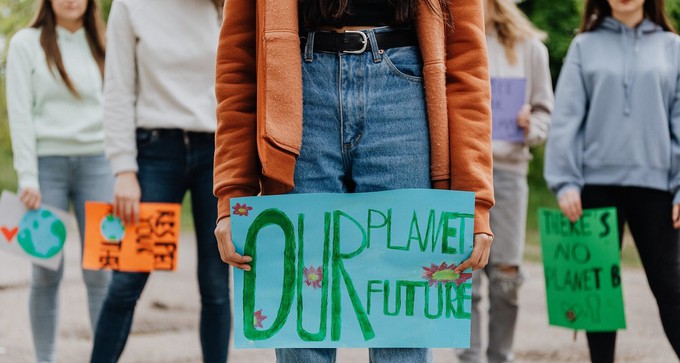
For decades, wearing animal fur was seen as luxury and a status symbol.
The anti-fur movement started campaigning against it, especially in the 1960s and 70s, and in the 80s and 90s, animal-right groups like PETA ran powerful campaigns like “I’d Rather Go Naked Than Wear Fur”.
As a result, after peaking in 2014, fur production fell by a whopping 88%, and brands like Calvin Klein, Gucci, Prada, and Saint Laurent stopped using it.
Organic cotton becoming more popular
Organic cotton isn’t that new. Some pioneering brands started using it as early as the 1980s and 90s. And yet, as a millennial, I can’t remember reading ‘organic cotton’ on a single label, in my teens.
It’s only in the 2010s that it started gaining popularity, and while certification systems and corporate sustainability targets definitely played a big role, consumer demand for more eco-friendly and chemical-free fabrics made a difference, too.
Second-hand clothing becoming mainstream
I remember that, in the 90s and early 00s, buying second-hand clothing was seen as a choice driven only by financial necessity.
Then, more and more consumers started embracing it, from thrifting in person to platforms like Depop and Vinted.
Not only did the second-hand clothing industry keep growing (for example, by 17.6% in 2024, reaching +$204 billion): buying pre-loved garments became normalised, and many brands are now offering that option alongside their new range.
Brands embracing recycled fabrics, especially polyester
Unfortunately, polyester, one of the worst fabrics for the environment (its production alone is responsible for 40% of all fashion’s emissions), is also the most widely used.
Luckily, in the 2010s in particular, consumers started demanding transparency and environmentally friendlier fabrics.
So, to reduce emissions and waste, more brands embraced recycled polyester (with its production increasing from 8.6 million tonnes in 2022 to 8.9 in 2023) as well as other recycled fabrics.
Repairs becoming fashionable again
Decades ago, it was normal to take care of our garments, keeping them for longer or passing them down to the next generation. Then, fast fashion brainwashed us into treating them as throwaway pieces, leading to worrying amounts of waste.
But more recently, thanks to a rise in environmental awareness and conscious consumption as well as inspiration on social media, more consumers have stopped giving up on their clothes as soon as something goes wrong.
Not only has fixing them become normalised again: various brands are offering repair services or kits, too!
Fashion brands publishing their supplier lists
Fast fashion has always tried to hide the expensive cost (and sweatshops) behind its cheap clothes.
But after the Rana Plaza collapse, consumers started demanding more transparency, actively supporting brands that tell us where, how, and by whom their clothes are made.
While, at this stage, it’s not a legal requirement to publish their supplier lists, more brands are doing it anyway thanks to consumer behaviour changes, activists, labour-right groups, and relevant organisations.
Rental fashion becoming a more common option
For decades, we were used to thinking that wearing something new must mean buying it. Now, rental options are more accessible than ever!
While additional factors contributed to this, changes in consumer behaviour played a big role, especially with more people moving away from fast fashion hauls. To give you an idea, the rental market has seen a +101.2% growth since 2022.
Small changes you can embrace to make a BIG difference for the fashion industry and the planet
- Get the most out of the clothes you already own (for example, by using the same garments to create new outfits) because keeping an item for just 9 more months will reduce your carbon, water, and waste footprint by 20-30%
- Try moving away from fast fashion and brands that don’t care about their workers and the environment
- Lend and borrow clothes from the people around you or through peer-to-peer platforms (I LOVE using The Clothing Loop!)
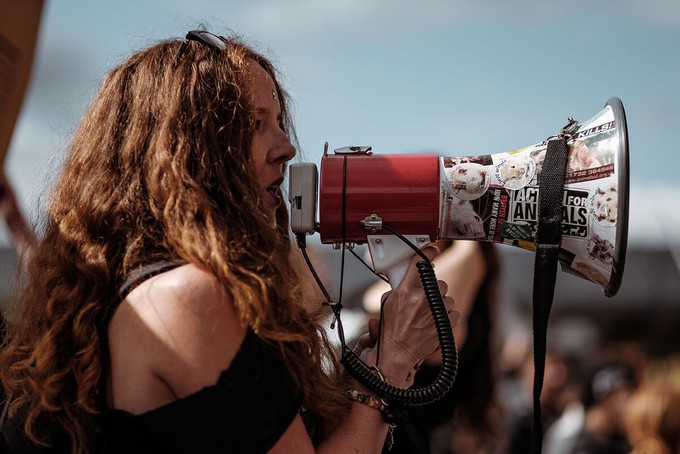
- Be vocal about sustainable fashion and the issues that matter to you, both on socials (like amplifying other voices through your Instagram stories) and in real life (for example, a friend joined The Clothing Loop after seeing me showcase my ‘new’ clothes, and because she shared this story in the gym, someone else joined, too)
- Write to brands. I’ve noticed that people are more likely to reach out to complain, but doing it in support of something can be really beneficial too, as it shows brands that there is demand
- Buy less but better, and keep your clothes for longer. This will also save you money in the long run, allowing you to support more sustainable brands that make their clothes ethically and are actively making a positive impact!
You can find hundreds of fairtrade brands right here on Project Cece, with filters to simplify your choices.
And remember: changes in consumer behaviour do make a difference.
When we buy clothes, our individual actions might feel like a drop in the ocean, but enough drops can turn into a wave that influences the system.
_large.png)
Share our story
Related articles

Fast Fashion Doom: “I Can’t Make a Difference.” You Can!
Fast fashion overproduction, waste, and pollution can feel too big and unstoppable, but there ARE ways to make a difference… while also feeling better and more hopeful!

Fight Climate Change with Your Clothes: 6 Rebellious Choices
These shifts won’t “just” help you fight climate change with your wardrobe: they’ll make an impact in other ways too, one (repeat) outfit at a time.
8 Fun Sustainable Fashion Activities: Turn Friends Into Activists
First in your circle to switch to ethical clothes? Get everyone else on board with these sustainable fashion activities—and make new memories together.
Project Cece is a platform that collects ethical fashion from vetted brands and shops in one place. Browse ethical fashion for women and men and find items that fit your style, budget and values!


