- Clothes
- Bags
- Accessories
-
Inspiration
- Shoes
Sustainable Clothing Brands, Unsustainable Business Model?

For decades, ethical clothing brands have been trying their hardest to reduce their environmental footprint and make a positive impact, with some pioneers starting as early as the 80s.
But as the co-founder of this platform bringing hundreds of fair trade brands in one place, it was heartbreaking to see so many go bankrupt.
For example, we recently lost Vanilia, an iconic Dutch brand operating since 1991, and even the UK subsidiary of People Tree.
You might be wondering why that is, especially if you’ve noticed that their price tags are higher than fast fashion: “Shouldn’t ethical brands make a lot more money?”
Sadly, the opposite is true.
Here’s why sustainable fashion brands are usually operating an unsustainable business model in the current economy (but there is hope).
Why fast fashion brands are so profitable
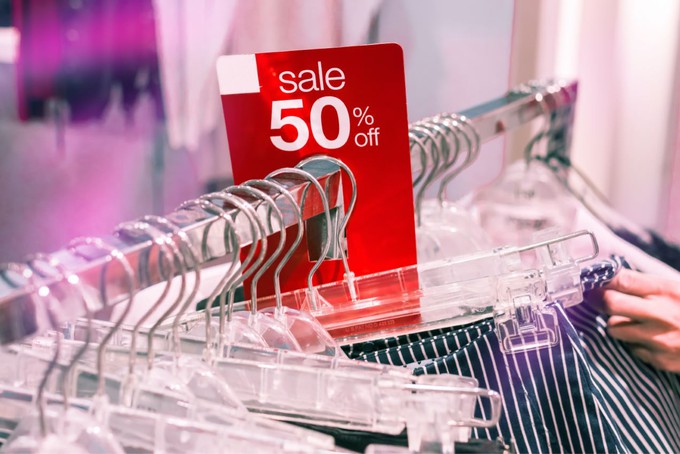
Most of the clothes you find nowadays, both in physical stores and online, are fast fashion.
And even though lots of consumers claim they’re against it, that market is BOOMING (it’s grown by 10.74% since 2024).
But how can brands selling £5 t-shirts be so profitable?
- Extremely low production costs – Cheap fast fashion clothes hide an expensive environmental and human cost. For example, to keep their price tags so low, those brands usually outsource the production to sub-contractors in developing countries with looser regulation, using the worst fabrics for the environment (like virgin polyester and conventionally grown cotton), problematic production practices (like dumping untreated wastewater into rivers), and sweatshops where garment workers are trapped in modern slavery conditions
- Constant churn of new items – It feels like a lifetime ago when we used to have two collections a year: Spring/Summer and Autumn/Winter. Nowadays, fast fashion brands follow and create weekly micro-trends (for example, Shein uploads between 2,000 and 10,000 stock keeping units a day)
- Economy of scale – Producing and operating in higher volumes usually decreases the average cost per unit. And thanks to their business model, fast fashion brands get to do this with pretty much everything: manufacturing, shipping, marketing…
- Encouraging overconsumption and repeat purchases – With their clever marketing and psychology tricks, fast fashion brands push you to see your clothes as throwaway pieces, only wear them a couple of times, discard them, and keep buying new ones (especially to fill a void)
Why it’s more challenging for ethical clothing brands to be profitable and stay in business

Don’t get me wrong: just like with any type of business, there are additional factors coming into play. For example, it’s possible that some of the brands that went bankrupt didn’t conduct proper market research or nail their USP. But overall?
It’s more challenging to be profitable when offering ethical clothes:
- Higher production costs – Sustainable brands invest in kinder materials (like certified organic cotton, bamboo, hemp, or recycled fabrics) and production practices (like reusing their wastewater or choosing non-toxic dyes), which tend to be more expensive. Some of them produce their clothes locally (= paying higher wages), and even those outsourcing to developing countries ensure living wages and good working conditions
- Going beyond trends – Ethical fashion brands offer timeless designs so that you can find your style. Unfortunately, that makes it harder to sell to consumers who are still chasing temporary trends or aren’t familiar with the hidden cost of fast fashion
- Smaller scale – Because they don’t rely on overproduction, their cost per unit is a lot higher
- Encouraging mindful consumption – Ethical brands make timeless and durable clothes that you can happily rewear for years. That’s obviously great for the planet (and your self-expression!). But at the same time, because they don’t rely on frequent repeat purchases, it’s harder to be profitable
All this leaves ethical clothing brands with much lower margins, which has a knock-on effect on pretty much every aspect of their business.
For example:
- Their lower marketing budget makes it challenging to reach enough eco-conscious consumers consistently
- Their higher price tags put off lots of potential customers (even though you’ll actually save money in the long run by ditching fast fashion hauls and investing in fewer but higher-quality and ethically made clothes that you’ll rewear for years)
How ethical clothing brands are still making an impact while hanging by a thread

I’m honestly so impressed with how these small resourceful brands manage to have such a big impact!
For example:
- The fact that they choose kinder production practices is revolutionary in itself, and they’re setting new standards in terms of working conditions, especially in countries where employee safety is still optional
- Some ethical brands offer additional support to those local communities, like partnering with artisans or training and employing women from distressed areas
- By making high-quality, durable clothes and encouraging you to keep them for years, ethical clothing brands are reducing their environmental footprint even further (extending the life of a garment by just 9 months will reduce its carbon and water footprint by 20-30%)
- They’re creating a bigger market for innovative fabrics and production practices (for example, Wellicious keeps investing in research to decompose clothes more efficiently, and Théla repurposes local waste into premium pieces)
- Some ethical fashion brands support charities too, like WOTE, which donates to Viva con Agua to make clean drinking water accessible to more people
But to keep doing this, sustainable brands need our support!
Supporting ethical brands

There are lots of free and paid ways to support these sustainable clothing brands with ‘unsustainable’ business models:
- Help them reach more consumers by engaging with their social media posts
- Tag them in photos, videos, or Instagram stories where you’re wearing their clothes
- Recommend them to friends, family, and colleagues
- Leave them positive reviews
- Add their clothes or giftcards to your wishlist when someone asks what they can get you for your birthday
- Buy their clothes, accessories, or gift cards as presents
- And of course, shop from them. On Project Cece, we brought hundreds of fair trade brands in one place, with filters to simplify your choice
Even though the current economic system is not built to maximise their impact and staying profitable is a challenge in itself, ethical fashion brands are bringing so much positive change.
Let’s try our best to support them, so that, in a world of fast fashion hauls and waste, they can keep doing this!
_large.png)
Share our story
Related articles
Why Is Sustainable Fashion So Expensive? (& How It’s Cheaper)
To understand why sustainable fashion is so expensive, let’s see how it’s different from fast fashion. Spoiler alert: the latter has a terrible hidden cost!
Fast vs Slow Fashion Differences: Finding a Sustainable Pace
So, what’s the fast fashion vs slow fashion debate? Here’s why we recommend ditching the former and embracing a more sustainable alternative.

Ethical Fashion Brands Are Struggling: Free & Paid Ways to Help
More and more sustainable fashion brands are going bankrupt, but there’s so much we can do to help them (even for free)
Project Cece is a platform that collects ethical fashion from vetted brands and shops in one place. Browse ethical fashion for women and men and find items that fit your style, budget and values!


